
Torula Yeast
High-quality food-based attractant for fruit fly monitoring programs.
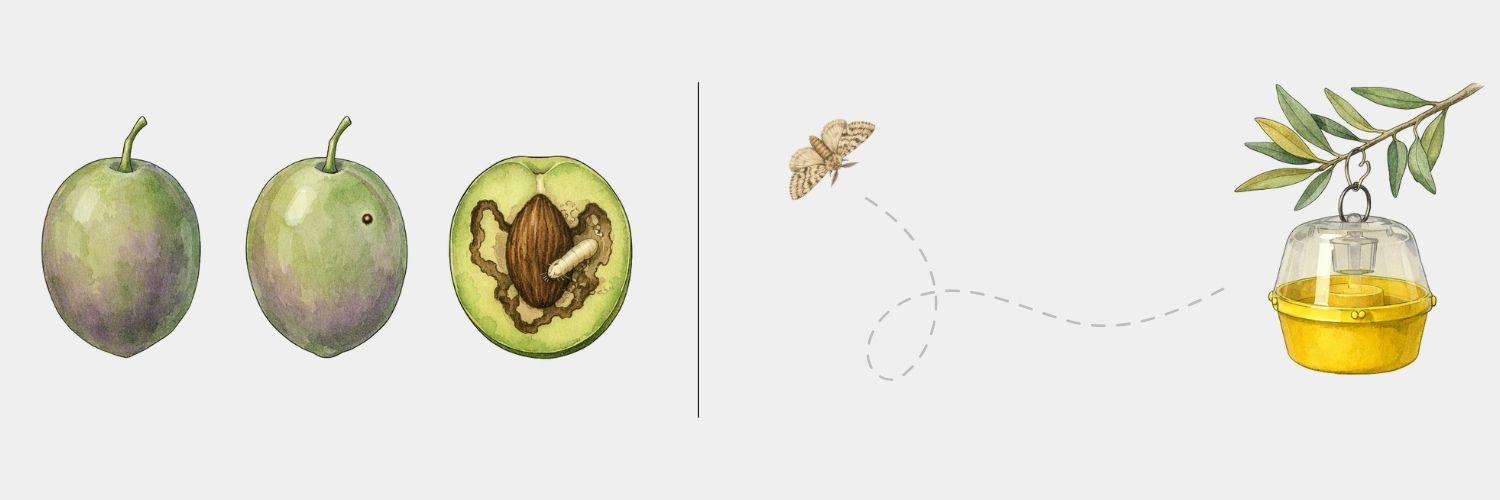
The olive fruit fly lays its eggs beneath the olive skin. After hatching, larvae feed inside the fruit, creating internal tunnels that compromise quality and increase susceptibility to rot. Because this pest reproduces exclusively in olives, early monitoring is essential. Food-based attractants such as Torula Yeast, used in Carousel Trap or Multi-Lure™ Trap., support timely detection of adult populations.
Olive Fruit Fly Impact on Olive Production
The olive fruit fly (Bactrocera oleae) is one of the most destructive pests affecting olive crops worldwide. Although adult flies are rarely observed, larvae develop inside the fruit, creating internal tunnels that reduce quality, increase susceptibility to rot, and lead to premature fruit drop. Because this pest reproduces exclusively in olives, continuous monitoring is essential for protecting orchards and preventing population outbreaks.
How Torula Yeast Supports Surveillance Programs
When dissolved in water and used in McPhail-type traps, Torula Yeast releases food-based volatiles that attract adult fruit flies. This allows growers and field technicians to monitor population levels, detect early seasonal activity, and support timely pest management decisions.
Application Guideline
Standard mixing ratio:
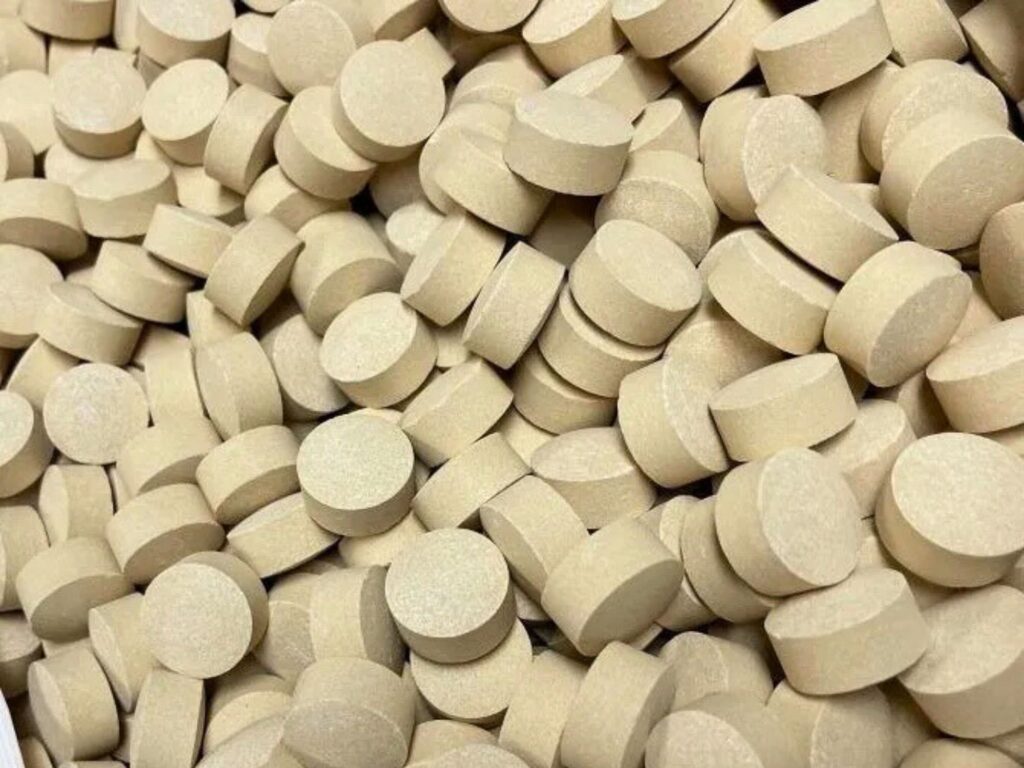
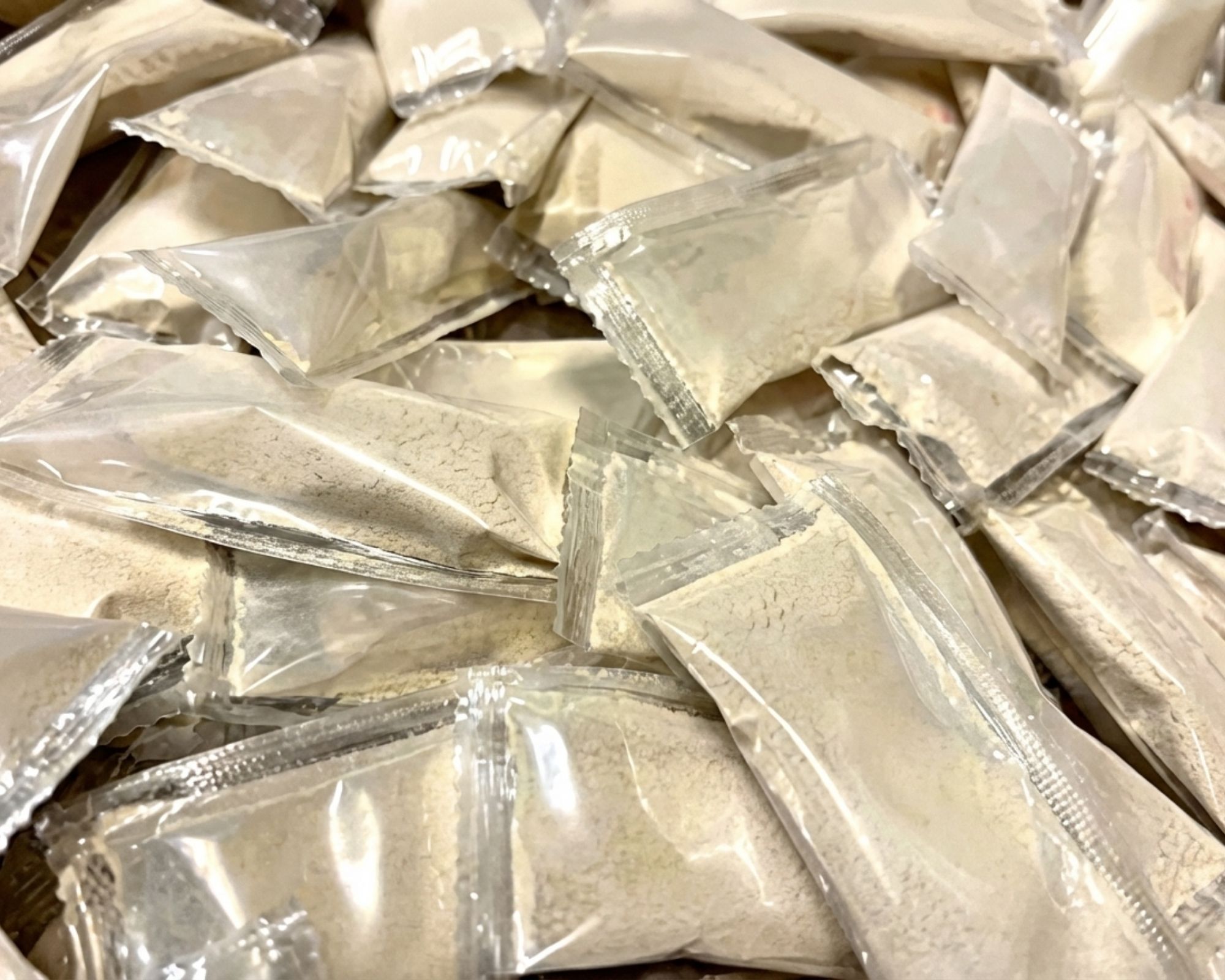
4 Torula Yeast pellets per 250 ml of water.
Target Applications
Torula Yeast is commonly used in monitoring programs for fruit fly species affecting:
– Olive orchards
– Citrus groves
– Stone fruit crops
– Walnut orchards
Organic Use
Torula Yeast may be used in organic farming systems.
Product Composition
Formulation:
50% Borax
45% Torula Yeast
5% Excipients
Storage & Handling
– Store in a cool, dry location
– Keep packaging sealed until use
– Avoid exposure to moisture